Furnace Tune-Up in Mesquite, TX
A furnace that sits idle from spring to November gets one job in the fall: start reliably and burn safely on the first cold morning. The tune-up checks both, with the price agreed when you book.
- Licensed & insured · TACLA140201E
- Gas and electric furnaces, every major brand
- The price agreed when you book
Heating
Furnace Tune-Ups in Mesquite, Garland and East Dallas
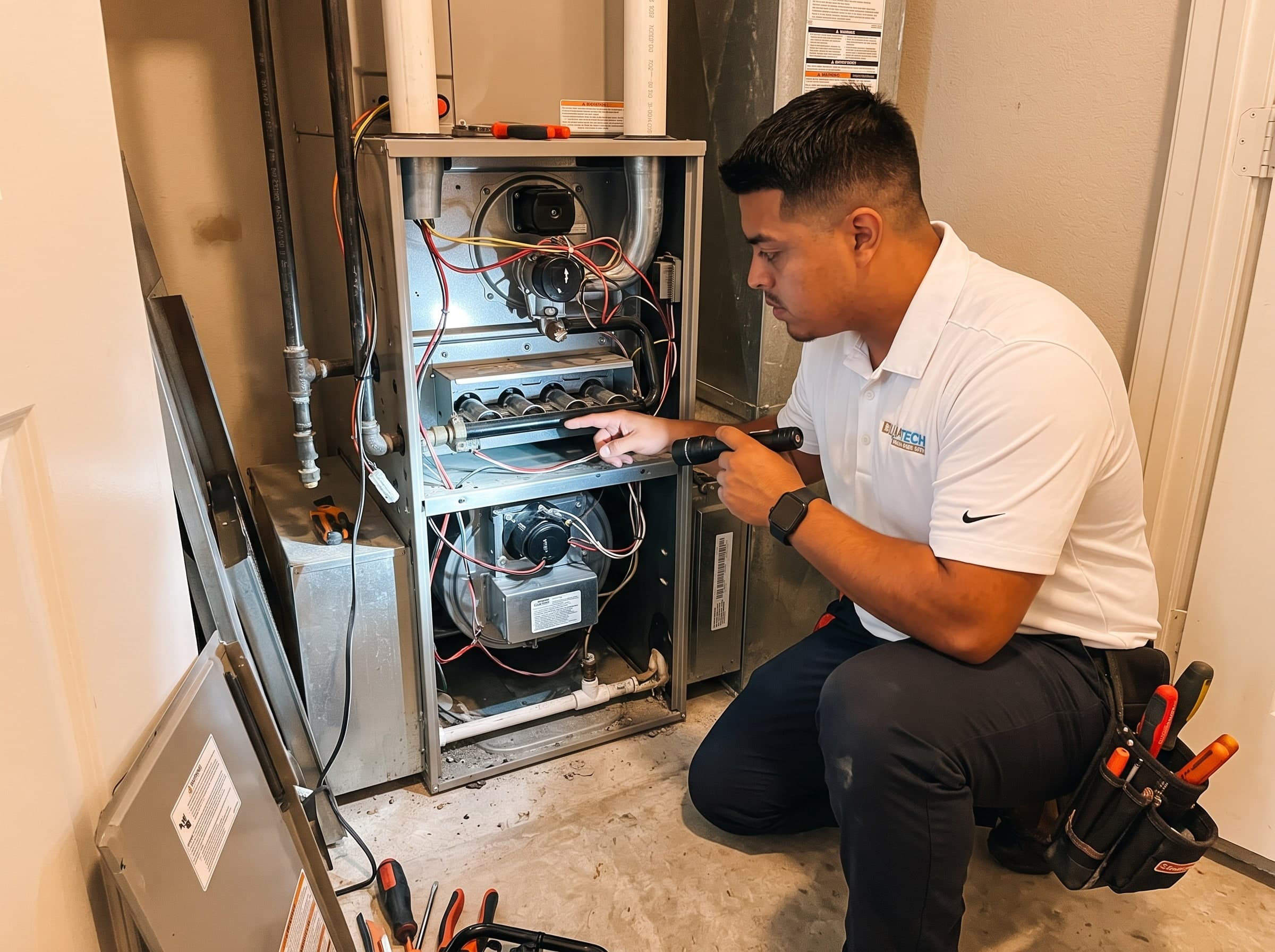
North Texas furnaces live an odd life. They sit untouched for eight or nine months, then get asked to light on the first cold morning of the year, usually the same morning everyone else's does. Most start fine. The ones that don't tend to fail on small, cheap parts: a flame sensor coated in residue, an ignitor near the end of its life, a pressure switch hose that cracked over a summer in the attic.
A tune-up finds those in October instead of on a freezing night. It also covers the part of a gas furnace that has nothing to do with comfort: the heat exchanger and the venting that keep combustion gases out of the air you breathe.
Climatech is owner-run out of Mesquite under license TACLA140201E, and we tune up gas and electric furnaces of every major make. Anything we find is quoted in writing before it's touched.
Every furnace tune-up includes:
- A safety inspection of the heat exchanger, flue and venting on gas furnaces
- Burners, ignition and flame sensor checked and cleaned
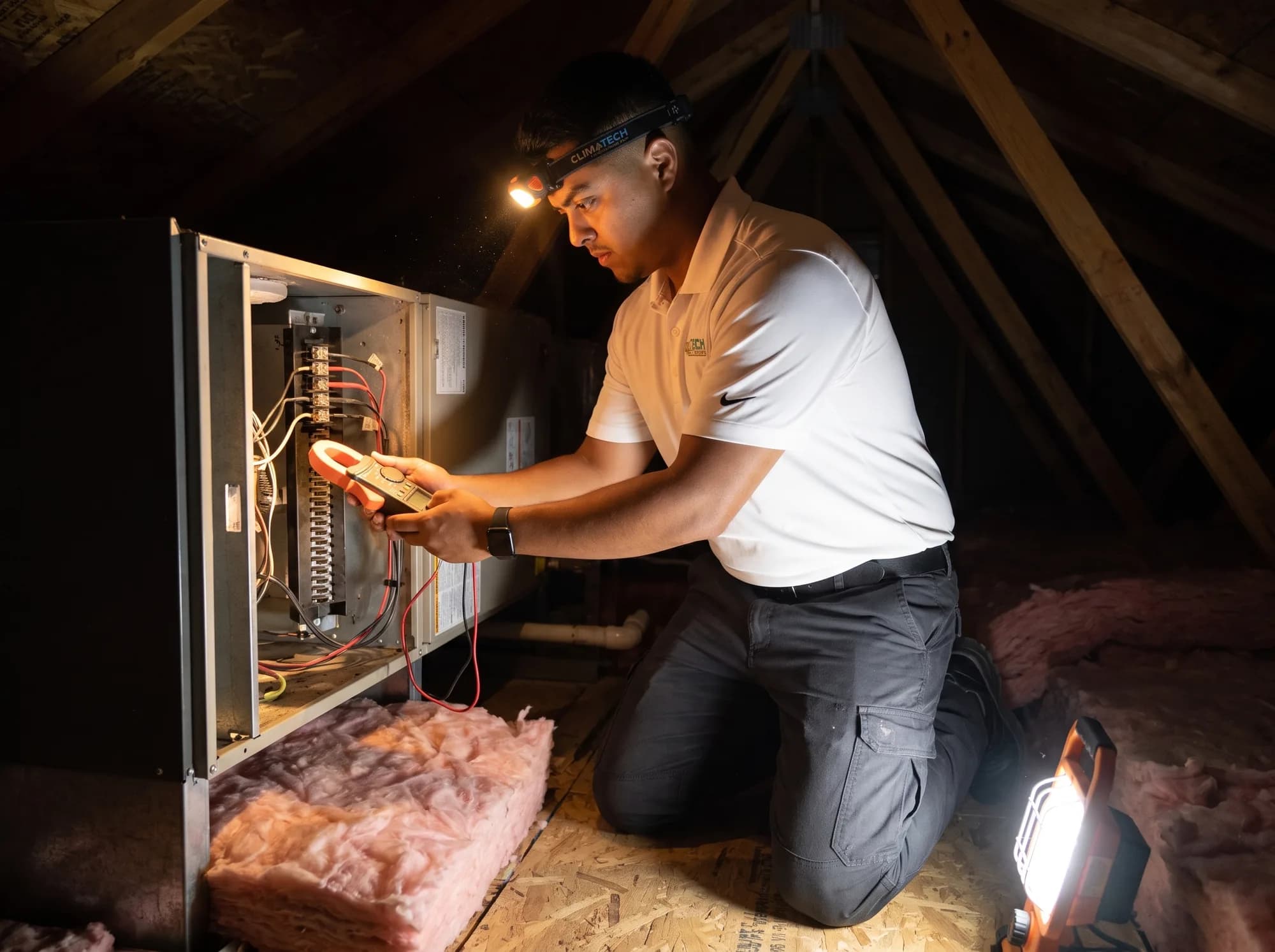
- Blower, filter, safety switches and wiring inspected and tested
- A full heating cycle, watched from the thermostat's call to shutdown
Call (469) 769-2812 or send the form. Booking in September or October beats the rush that arrives with the first cold front.
Contact Us
Send this over and we'll call you back. If the house is already warm, phoning is faster.
What We Check on a Furnace Tune-Up
A gas furnace tune-up comes down to two questions: does it light every time, and does it burn safely? The list below covers both, in the order the visit runs. Electric furnaces skip the combustion checks and get a closer look at the heat strips, sequencers and wiring instead, since that's where they fail.
If an item can't be checked on your equipment, you'll hear which one and why. Every reading gets written down and left with you.
- Inspect the heat exchanger for cracks, rust-through and scorch marks
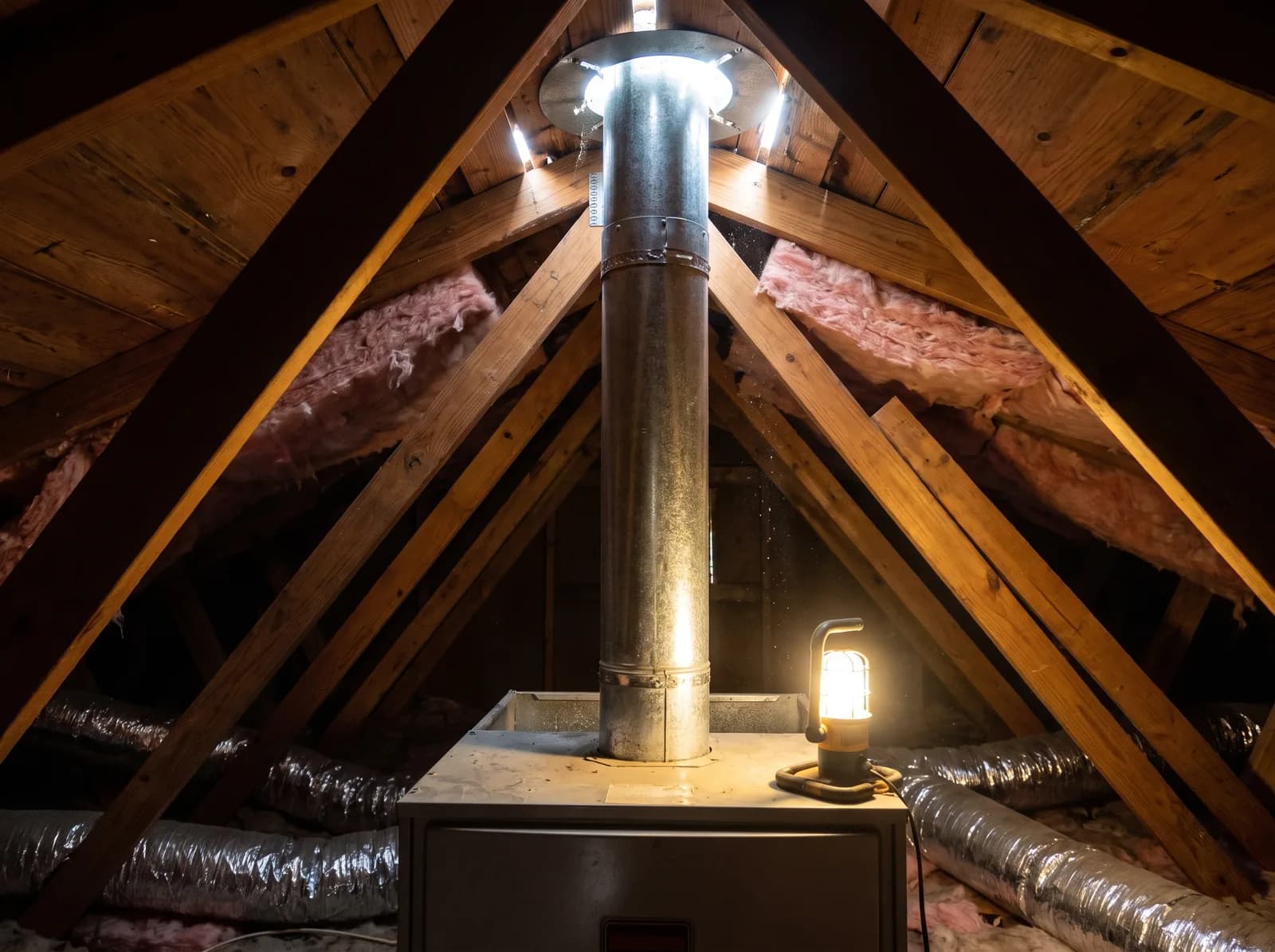
- Check the flue pipe, joints and vent termination for draft, corrosion and separation
- Test combustion and check for carbon monoxide with an analyzer
- Clean the flame sensor and measure its signal
- Inspect the hot surface ignitor and measure its resistance
- Clean the burners and check for a steady, even flame
- Measure gas pressure at the valve against the manufacturer's spec
- Test the inducer motor and the pressure switch that proves draft
- Test the high-limit and rollout safety switches
- Inspect the blower wheel and measure blower motor amp draw
- Check filter size, seal and condition
- Tighten electrical connections and check the control board for fault codes
- Measure the temperature rise across the furnace against its rated range
- Clear the condensate drain and trap on high-efficiency furnaces
- On electric furnaces, test each heat strip, sequencer and breaker under load
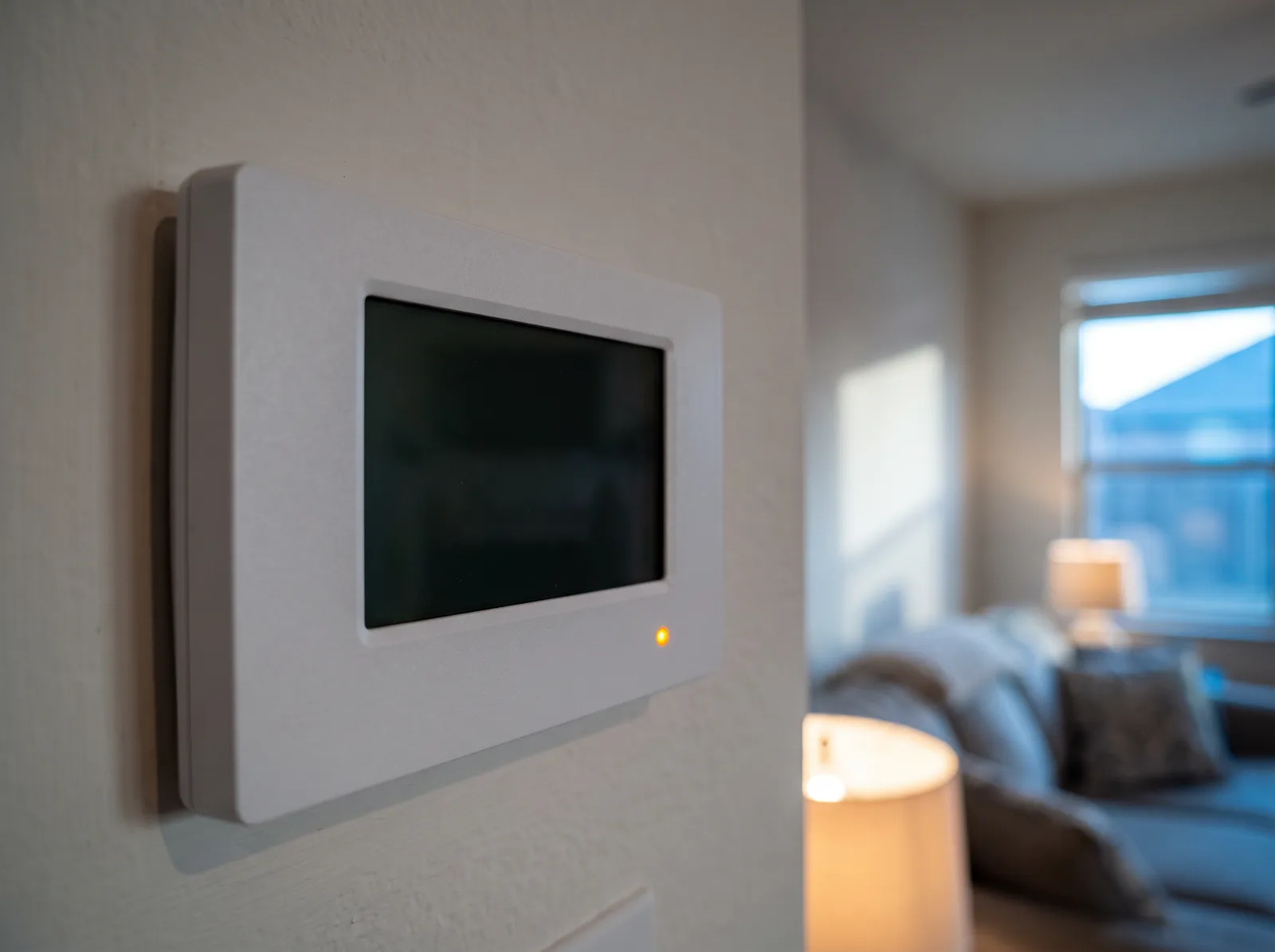
- Confirm the thermostat calls for heat, cycles and shuts down cleanly
The Part That Isn't About Comfort
Every gas furnace burns fuel inside a sealed metal chamber called the heat exchanger. Air from your house passes over the outside of it and picks up heat, while the combustion gases stay inside and leave through the flue. As long as that wall is intact and the flue is drawing, the two never meet.
Most of the safety side of a tune-up is confirming that's still true. We look over the heat exchanger for cracks and rust, check that the flue is sealed and pitched correctly through the attic, and test that the inducer and pressure switch prove draft before the burners are allowed to light. Attic installs, which is most of them around here, get extra attention at the vent, because a Texas summer up there is hard on joints, tape and straps.
If we find anything that affects safe operation, you hear it before anything else, along with a plain answer on whether the furnace should run until it's fixed. Whatever we find, keep a working carbon monoxide alarm on every floor where someone sleeps.
Book It Before the First Cold Morning
The first real cold front of the year brings the same calls every time: the furnace won't light, it lights and shuts straight off, or it runs and blows cold air. Most of those are parts a tune-up would have flagged a few weeks earlier, and all of them land on the busiest heating day of the season.
September and October are the easy window. The weather is mild, the schedule has room, and anything we find can be fixed before you actually need the heat.
One thing that usually isn't a problem: a burning-dust smell for the first few minutes of the first run. That's a season of dust burning off the burners and heat exchanger, and it should clear quickly. A smell that lingers or smells electrical is worth a call. If you smell gas, get everyone out and call your gas utility from outside the house.
What the visit involves
- 01
Book a Time
Call or send the form. The price is agreed when you book, and early fall, before the first cold front, is the easiest time to get on the schedule.
- 02
Safety First
On gas furnaces we start with the heat exchanger, flue and combustion. Anything that affects safe operation gets reported before anything else.
- 03
Then Reliability
Ignition, flame sensor, burners, gas pressure, safety switches, blower and wiring: the parts that decide whether it lights on the first cold morning.
- 04
A Full Cycle, Then the Numbers
We run the heat from the thermostat's call to shutdown, then leave you the readings and a written quote for anything worth fixing.
5.0
Every Google review. Five stars.
Furnace Tune-Up across Mesquite and east Dallas
- Mesquite(HQ)
- Garland
- Balch Springs
- Sunnyvale
- Rowlett
- Forney
- Seagoville
- East Dallas
- Rockwall
- Wylie
- Terrell
- Kaufman
Not on the list? Call, and if we can get a truck there, we usually will.
Finance available.
A failed system shouldn't mean a lump sum in the same week. Financing on approved credit, for repairs and new installs alike.
Asked every week
If yours isn't here, call and ask. We'd rather answer it now than have you guess.
Ask Us DirectlyHow often should a furnace be tuned up?
Once a year, in the fall, before you need the heat. The standard for the whole system is twice a year: cooling in spring, heating in fall. A furnace here might only see a few weeks of real cold, but it sits in a hot attic all summer, and that's hard on hoses, wiring and seals.
Is a furnace tune-up worth it if we barely use the heat?
Yes, mostly for the safety side. Light use doesn't protect the heat exchanger or the venting from corrosion, and the first run of the year is exactly when a cracked part or a blocked flue matters most. The reliability checks are the bonus: they're why the furnace lights on the first cold morning.
Do you tune up electric furnaces and heat pumps too?
Yes. Electric furnaces get the heat strips, sequencers, breakers and wiring tested under load in place of the combustion checks. Heat pumps are covered on our heat pump services page, since the fall check there includes the defrost controls and auxiliary heat.
What's the burning smell when the heat first comes on?
Usually a season of dust burning off the burners and heat exchanger, and it should be gone within the first run or two. If it lingers or smells electrical, turn the system off and call us. If it smells like gas, get everyone out and call your gas utility from outside, then call us.
What happens if you find a problem?
You see it before we do anything about it. We explain what we found and what it means, and quote the repair in writing. If it affects safe operation, we'll tell you plainly whether the furnace should run until it's fixed. Nothing gets replaced without your approval.
Should I replace an old furnace instead?
Not just because it's old. A furnace in North Texas often outlasts the air conditioner beside it, because it runs so little. A tune-up tells you what condition yours is actually in. When replacement genuinely is the answer, we install Goodman and other leading brands, quoted in writing with financing available on approved credit.
Ready when the Texas weather isn't
24-hour service Monday through Saturday, out of Mesquite. Call and talk to the owner, or send the request and we'll call you.
More from Climatech
All Services